
Heart-Healthy Foods for Men
Discover science-backed nutritional guidance and food choices that support cardiovascular wellness and overall male health.
The information on this site is for educational purposes only and does not constitute medical advice. Always consult a qualified healthcare professional before making health decisions.
Browse by Category
Featured Heart-Healthy Foods
Wild-Caught Salmon
Rich in omega-3 fatty acids (EPA and DHA), salmon supports healthy blood pressure and reduces inflammation. Two to three servings weekly can significantly benefit cardiovascular function. Grilling or baking preserves maximum nutritional value while keeping calories in check.
- Reduces triglycerides naturally
- Supports arterial health
- Rich in vitamin D and selenium

Steel-Cut Oats
Packed with soluble fiber (beta-glucan), steel-cut oats help manage cholesterol levels and promote stable blood sugar. A single serving provides sustained energy throughout the morning without glucose spikes. They also support healthy digestive function and satiety.
- Lowers LDL cholesterol
- Stabilizes blood sugar
- High in antioxidants
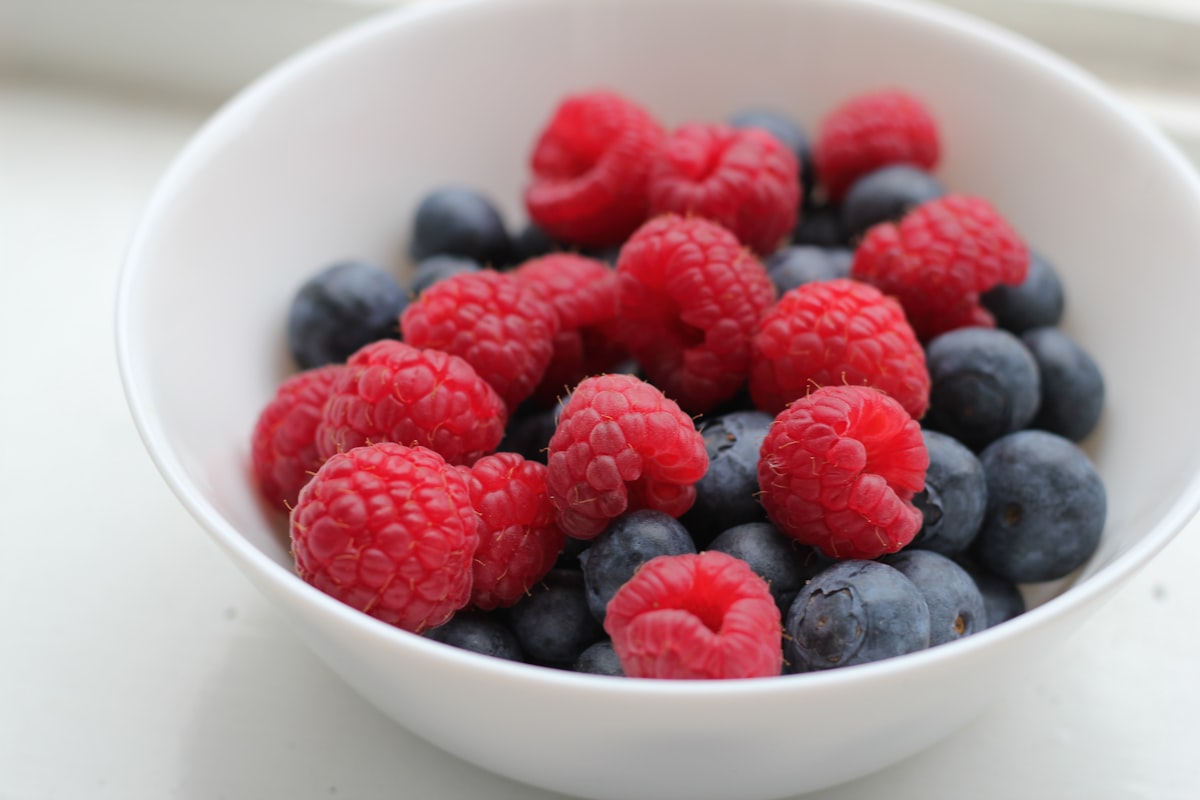
Fresh Blueberries
Loaded with anthocyanins and polyphenols, blueberries are among nature's most potent antioxidants. Studies show regular consumption supports healthy blood vessel function and helps maintain optimal blood pressure. They're also low in calories and naturally sweet.
- Powerful antioxidant effect
- Supports vascular health
- Low glycemic index
Raw Almonds
Almonds deliver heart-healthy monounsaturated fats, vitamin E, and magnesium—all critical for cardiovascular wellness. A single ounce (about 23 almonds) makes an ideal snack that promotes feelings of fullness while supporting healthy cholesterol ratios naturally.
- Improves lipid profiles
- Rich in magnesium
- Supports endothelial function
Fresh Spinach
This leafy green powerhouse contains lutein, folate, and potassium—nutrients essential for maintaining healthy blood pressure and supporting nitric oxide production. Enjoy spinach raw in salads or lightly cooked to maximize nutrient absorption while keeping it low-calorie.
- Regulates blood pressure naturally
- Supports arterial flexibility
- Rich in plant-based nitrates
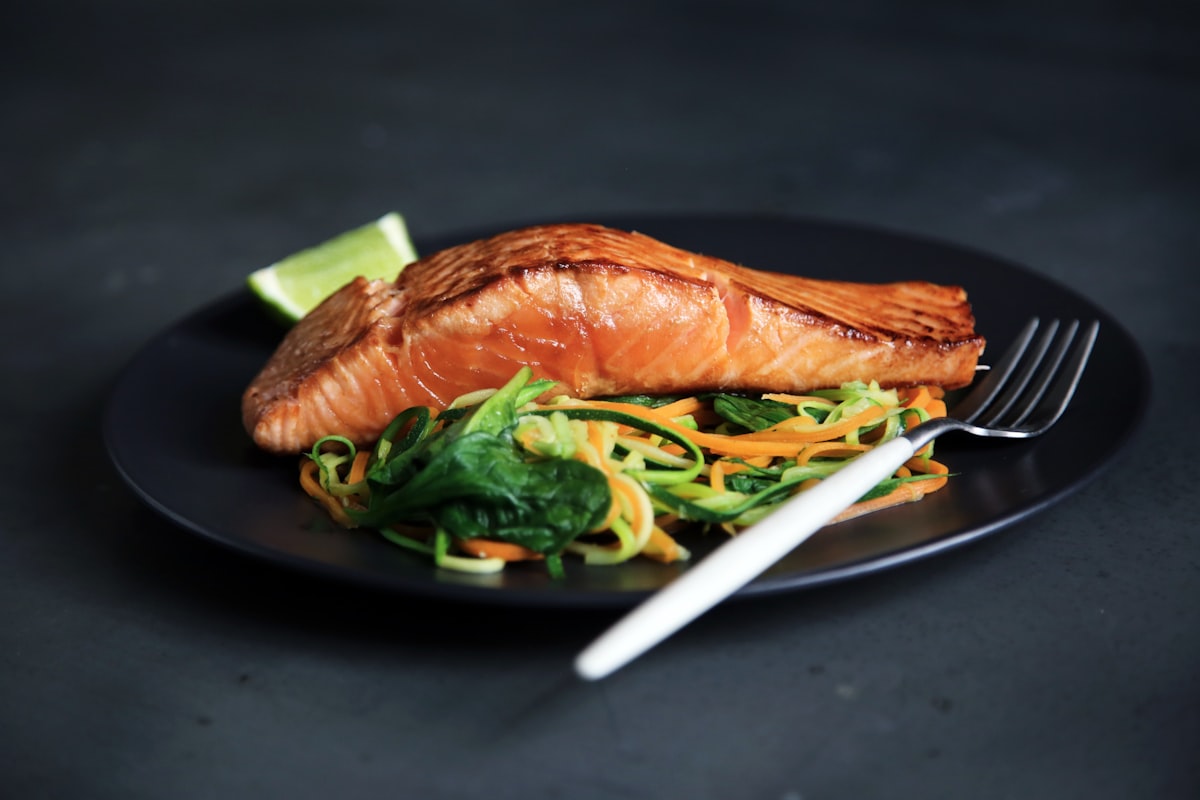
Skinless Chicken Breast
An excellent lean protein source with minimal saturated fat, chicken breast provides essential amino acids for muscle maintenance without burdening the cardiovascular system. Remove skin and avoid frying—grilling or baking preserves the nutritional benefits perfectly.
- Low in saturated fat
- Complete protein source
- Supports muscle health

Sweet Potatoes
Rich in potassium, fiber, and beta-carotene, sweet potatoes help regulate blood pressure while providing sustained energy. Their natural sweetness satisfies cravings without refined sugar spikes. Baking is the preferred preparation method to retain all beneficial compounds.
- Manages blood pressure
- Supports healthy digestion
- Anti-inflammatory properties

Extra Virgin Olive Oil
A cornerstone of heart-healthy Mediterranean nutrition, extra virgin olive oil contains polyphenols and oleocanthal—compounds with powerful anti-inflammatory effects. Use it raw on salads or lightly drizzle over finished dishes to preserve its delicate compounds and maximize benefits.
- Anti-inflammatory benefits
- Supports endothelial health
- Rich in antioxidants
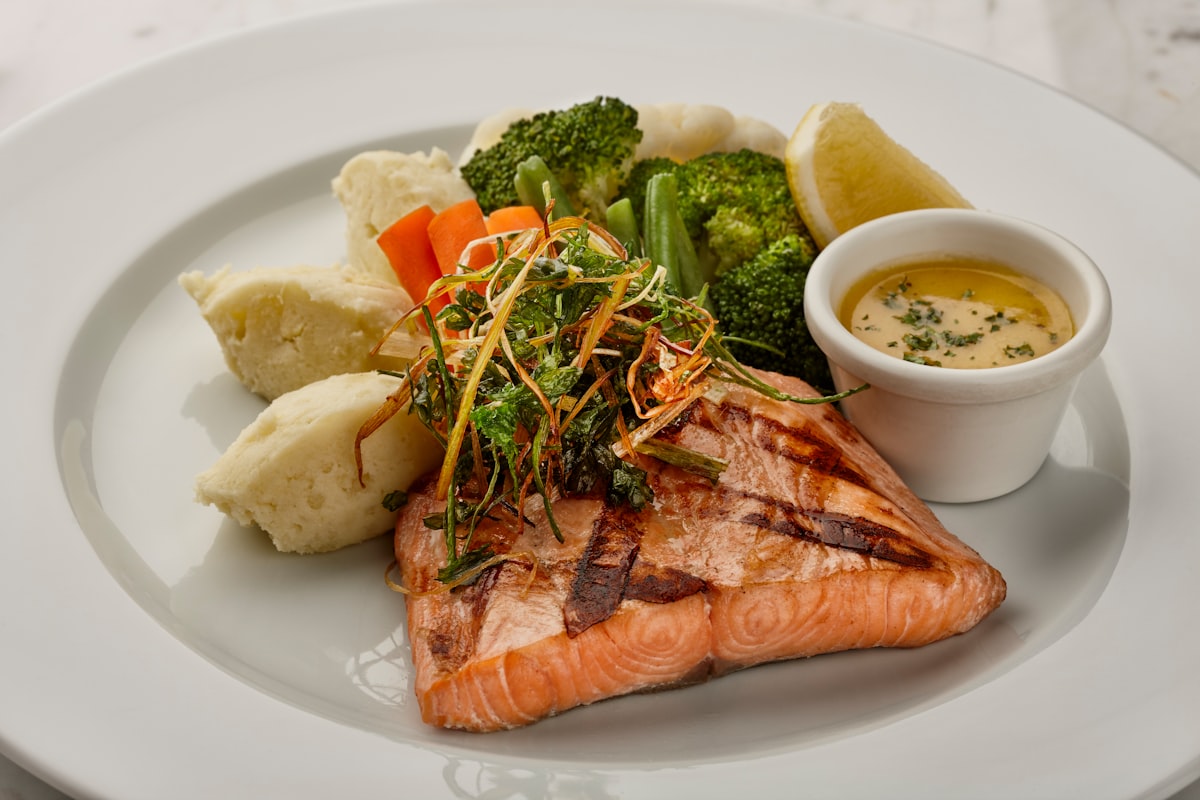
English Walnuts
Walnuts are nature's best plant-based source of alpha-linolenic acid (ALA), a precursor to omega-3s. Regular consumption has been linked to improved cholesterol profiles and reduced inflammation. Just one ounce daily (about 14 halves) can deliver meaningful cardiovascular support.
- Plant-based omega-3s
- Reduces arterial stiffness
- Supports healthy cholesterol
How These Foods Support Heart Health
Omega-3 Fatty Acids
Foods like salmon, walnuts, and flaxseeds provide omega-3 fatty acids that actively reduce triglycerides and support healthy blood vessel function. These essential fats help reduce inflammation throughout the body, which is fundamental to long-term cardiovascular wellness. Regular intake helps maintain optimal blood viscosity and arterial flexibility.
Found in: Wild-caught salmon, English walnuts, sardines, and ground flaxseeds.
Dietary Fiber
Soluble fiber from oats, beans, and vegetables directly helps manage cholesterol by binding bile acids and removing them from the body. This forces the body to produce new bile from existing cholesterol, thereby lowering blood cholesterol levels naturally. Fiber also supports stable blood sugar and healthy weight maintenance.
Found in: Steel-cut oats, lentils, black beans, pears, and leafy greens.
Antioxidants & Polyphenols
Blueberries, dark chocolate, and red wine contain powerful antioxidants that combat oxidative stress—a key factor in arterial aging and plaque formation. These compounds also support endothelial function, helping blood vessels maintain proper flexibility and tone. Regular consumption contributes to improved blood flow and pressure regulation.
Found in: Blueberries, blackberries, dark chocolate (70% cacao+), red grapes, and green tea.
Potassium & Magnesium
These essential minerals work together to regulate electrolyte balance and support proper heart rhythm. Potassium helps counteract sodium's effects on blood pressure, while magnesium supports vessel elasticity and nerve signaling. Together, they form a natural foundation for cardiovascular stability and optimal circulation.
Found in: Spinach, sweet potatoes, almonds, avocados, and bananas.
Common Questions About Heart-Healthy Eating
Research suggests consuming fatty fish like salmon two to three times per week provides optimal omega-3 intake without concern about mercury accumulation. Each serving should be approximately 3-4 ounces. If you don't eat fish, consider plant-based omega-3 sources like walnuts, flaxseeds, and chia seeds, though they require higher quantities to match fish's bioavailable omega-3 content.
Absolutely. Heart-healthy eating is about balance and sustainability, not deprivation. Enjoy your favorite foods in smaller portions and pair them with nutrient-dense options. For example, have a burger on whole grain bread with a large side salad, or enjoy dark chocolate (70% cacao or higher) in moderation. The key is making most of your daily intake from whole, unprocessed foods while allowing flexibility for occasional indulgences.
Many benefits begin within weeks. For instance, some research shows cholesterol improvements after just 3-4 weeks of consistent dietary changes. Blood pressure may respond within days to weeks of increasing potassium and reducing sodium. However, comprehensive cardiovascular remodeling and sustained wellness typically requires 2-3 months of consistent dietary practices. Think of it as building a foundation that strengthens over time.
Frozen vegetables are often just as nutritious—sometimes more so—than fresh, since they're processed at peak ripeness before nutrient loss occurs. Canned vegetables are also nutritious but may contain added sodium, so rinse them thoroughly before eating or choose low-sodium varieties. The best approach is mixing fresh, frozen, and canned options to ensure variety and consistency in your diet year-round.
Gentle cooking methods best preserve nutrients. Steaming, baking, grilling, and light sautéing with olive oil are excellent choices. Avoid deep frying and prolonged boiling, which destroys heat-sensitive vitamins. Raw preparations like salads maximize nutrient content for vegetables. For fish, baking or grilling at moderate temperatures (350-400°F) preserves omega-3s without creating harmful compounds. Combine multiple preparation methods throughout the week for optimal results.
Nutrition is foundational, but sustainable heart wellness also requires regular physical activity, stress management, quality sleep, and avoiding smoking. Heart-healthy eating works synergistically with these lifestyle factors. Consider food as one pillar of a comprehensive approach to wellness. Many men find that when nutrition improves, motivation for exercise and other healthy habits increases naturally, creating a positive upward cycle.
Stay Informed About Heart Health
Subscribe to receive our latest nutritional guides, research summaries, and food recommendations directly to your inbox.