
Heart-Healthy Foods for Men
Discover the nutritional science behind building a stronger heart through thoughtful food choices
The information on this site is for educational purposes only and does not constitute medical advice. Always consult a qualified healthcare professional before making health decisions.
Why Men's Heart Health Matters
Heart Disease Facts
Men face unique cardiovascular challenges that require targeted nutritional strategies and informed lifestyle decisions
Nutrition Impact
Dietary choices significantly influence cholesterol levels, blood pressure, and overall cardiovascular function in men
Plant Power
Scientific research consistently demonstrates that whole foods rich in nutrients support healthy cardiovascular function
What Makes Foods Heart-Healthy for Men
Heart health in men depends on multiple nutritional factors working together. The foods we eat directly influence how our cardiovascular system functions, affecting everything from cholesterol profiles to arterial flexibility and blood flow.
Men, in particular, benefit from foods that support healthy cholesterol levels, reduce inflammation, maintain healthy blood pressure, and provide essential micronutrients like potassium, magnesium, and antioxidants. When men incorporate these foods into their daily eating patterns, they support their body's natural ability to maintain cardiovascular wellness.
Understanding which foods offer the most nutritional benefit is the first step toward building sustainable eating habits that support long-term heart wellness and overall vitality.
Omega-3 Rich Foods: Support healthy inflammation response and arterial function
High-Fiber Foods: Help maintain healthy cholesterol and digestive wellness
Antioxidant-Rich Foods: Protect cells from oxidative stress and support overall wellness
Top 9 Heart-Healthy Foods for Men
Salmon
Rich in omega-3 fatty acids, salmon supports healthy cholesterol levels and helps maintain normal blood pressure. This fatty fish is one of nature's most powerful foods for cardiovascular wellness.
Key nutrients: Omega-3s, Vitamin D, Selenium, Potassium
Berries
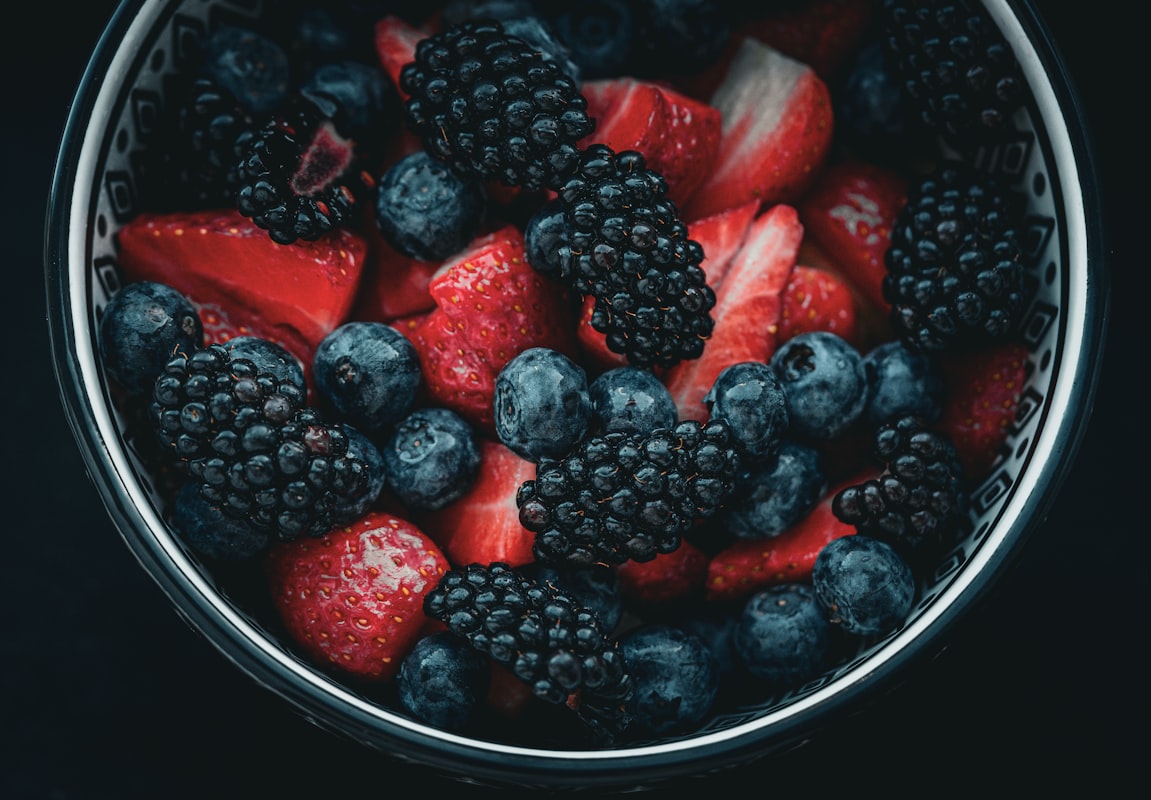
Blueberries, strawberries, and raspberries are packed with antioxidants that protect cardiovascular cells. These colorful fruits support healthy blood vessel function naturally.
Key nutrients: Anthocyanins, Vitamin C, Fiber
Dark Leafy Greens
Spinach, kale, and collard greens contain high levels of vitamin K and magnesium, both essential for cardiovascular function and blood vessel health.
Key nutrients: Magnesium, Potassium, Vitamin K
Whole Grains
Brown rice, oats, and quinoa provide soluble fiber that helps maintain healthy cholesterol levels. Whole grains are foundational to a heart-healthy eating pattern.
Key nutrients: Soluble Fiber, B Vitamins, Minerals
Nuts and Seeds
Almonds, walnuts, chia, and flax seeds contain healthy fats and minerals that support cardiovascular function. A small handful daily provides substantial nutritional benefit.
Key nutrients: Healthy Fats, Magnesium, Fiber
Legumes
Lentils, beans, and chickpeas are excellent plant-based protein sources with high fiber content. They help maintain healthy cholesterol and provide sustained energy.
Key nutrients: Fiber, Plant Protein, Iron, Folate
Garlic and Onions
These pungent vegetables contain sulfur compounds that support cardiovascular wellness. They also add incredible flavor to heart-healthy meals without extra salt.
Key nutrients: Allicin, Quercetin, Antioxidants
Olive Oil
Extra virgin olive oil is rich in monounsaturated fats and polyphenols. It's a cornerstone of the Mediterranean diet, which has strong research supporting cardiovascular wellness.
Key nutrients: Monounsaturated Fats, Polyphenols
Dark Chocolate
Dark chocolate with 70% cacao or higher contains flavonoids that support healthy blood flow. Enjoy it in moderation as part of a balanced eating pattern.
Key nutrients: Flavonoids, Antioxidants, Magnesium
Common Questions About Men's Heart Health Nutrition
Most research suggests that men benefit from consuming about 1.6 grams of omega-3 fatty acids daily. This can be achieved through two servings of fatty fish per week, like salmon or mackerel, or by incorporating plant-based sources such as flaxseeds, chia seeds, and walnuts. If you're interested in supplementation, consult with a healthcare provider about what's appropriate for your individual situation. The key is consistency—regular omega-3 intake provides better support for cardiovascular wellness than occasional consumption.
Absolutely. Scientific research consistently shows that dietary choices significantly influence cholesterol levels. Foods high in soluble fiber (oats, beans, apples) help reduce LDL cholesterol, while foods rich in unsaturated fats (olive oil, nuts, avocados) support healthy HDL cholesterol. Additionally, reducing saturated fat and trans fat intake can improve overall cholesterol profiles. Many men find that dietary adjustments alone make a meaningful difference in their cholesterol readings. Consistent heart-healthy eating patterns, combined with regular physical activity, create a foundation for cardiovascular wellness.
Excess sodium intake is linked to higher blood pressure, which places additional strain on the cardiovascular system. Men are often encouraged to limit sodium to less than 2,300 milligrams per day, though some health organizations recommend lower amounts. The good news is that heart-healthy eating naturally reduces sodium intake when you focus on whole foods like fruits, vegetables, fish, and legumes, rather than processed foods which typically contain high levels of added sodium. Flavoring foods with herbs, spices, garlic, and lemon juice instead of salt makes healthy eating both nutritious and delicious.
Dietary fiber, particularly soluble fiber, plays a crucial role in cardiovascular wellness. It helps lower cholesterol levels by binding to cholesterol particles in the digestive system. Men should aim for about 30-38 grams of fiber daily through whole grains, legumes, fruits, and vegetables. Increasing fiber intake gradually and drinking adequate water helps your digestive system adjust smoothly. Fiber also supports healthy blood sugar levels, which indirectly supports heart health. Rich sources include oats, beans, berries, pears, and whole wheat products.
Many men notice positive changes within weeks of adopting heart-healthy eating patterns. Energy levels and sleep quality often improve within 2-4 weeks, while cholesterol levels typically begin to improve after 4-8 weeks of consistent dietary changes. Blood pressure changes may follow a similar timeline. However, the most significant benefits come from sustained long-term commitment to these eating patterns. Think of heart-healthy eating not as a temporary intervention but as a permanent lifestyle shift that supports your wellness for decades to come. Consistency matters more than perfection.
Rather than focusing on avoidance, heart-healthy eating emphasizes choosing better options. Foods high in saturated fat, trans fat, and processed ingredients (like fatty cuts of meat, fried foods, and highly processed snacks) should be minimized. Sugary drinks and excessive added sugars can negatively impact cardiovascular wellness. Instead of strict elimination, men find success by replacing these items with whole foods—swapping fried chicken for grilled fish, sugary sodas for water or herbal tea, and processed snacks for nuts and fruit. This approach feels less restrictive and more sustainable long-term.
Note: This content is educational and informational in nature. For personalized dietary recommendations based on your individual health profile, consult with a registered dietitian or healthcare professional.
5-Step Guide to Building a Heart-Healthy Diet
Assess Your Current Eating Patterns
Spend a few days documenting what you eat and drink. This creates awareness of your current habits without judgment. Notice which foods make you feel energized and which leave you sluggish. Understanding your baseline helps you identify which specific changes will have the most impact on your personal wellness journey.
Gradually Increase Whole Foods
Start by adding more whole foods rather than focusing on elimination. Add an extra serving of vegetables, incorporate fatty fish twice weekly, choose whole grains over refined options, and snack on nuts instead of processed items. Gradual additions are more sustainable than dramatic overhauls and help your palate adjust naturally to these healthier choices.
Master Basic Healthy Cooking Methods
Learn to prepare foods in ways that preserve their nutritional value. Grilling, steaming, baking, and sautéing with olive oil are excellent techniques. These methods create delicious meals while maintaining the vitamins, minerals, and beneficial compounds in your ingredients. Good cooking skills make heart-healthy eating enjoyable rather than feel like deprivation.
Plan and Prepare Meals Ahead
Dedicate time each week to meal planning and preparation. When healthy options are readily available in your kitchen, you're more likely to choose them over convenient processed alternatives. Prepare components like grilled vegetables, cooked grains, and protein sources that can be mixed and matched throughout the week for variety without extra effort.
Track Progress and Stay Consistent
Monitor how you feel—your energy levels, sleep quality, and overall vitality. These personal improvements are often more meaningful than any number. Consistency matters far more than perfection. Missing a meal or eating something less optimal is normal; what matters is the overall pattern of your eating habits. Celebrate small victories and use them as motivation to continue.
Real Stories from Men Who Transformed Their Heart Health
"I started incorporating salmon and fresh vegetables into my diet about three months ago, and I feel completely different. My energy levels are through the roof, and my last checkup showed significant improvements in my cholesterol readings. I never thought eating differently could make such a dramatic difference in how I feel day-to-day."
Dharma Wijaya
Jakarta, Indonesia
"Learning about heart-healthy foods from the guide helped me understand why certain choices matter. I've been replacing processed snacks with nuts and berries, and my blood pressure readings have stabilized. What surprised me most is that this way of eating doesn't feel restrictive at all—I'm actually enjoying my meals more than before."
Rakit Hartono
Surabaya, Indonesia
Sarah Kim
5.0/5"As someone who travels frequently for work, I needed practical advice I could implement anywhere. The Healthymalebody guide gave me exactly that. Simple meal prep tips, portable workout routines, and stress management techniques that actually fit into my busy schedule. I've lost significant weight in three months and feel more energetic than ever."
Sarah Kim
Singapore
Ready to Transform Your Health?
Join thousands of men who've already taken control of their wellness journey. Get instant access to the complete Healthymalebody guide and start seeing results within weeks.
30-day money-back guarantee. No hidden fees. Cancel anytime.
Frequently Asked Questions
Absolutely! The Healthymalebody guide is designed for men at all fitness levels. We start with the fundamentals and progressively build up, so whether you're completely new to fitness or looking to optimize your existing routine, you'll find valuable guidance tailored to your current situation.
Most men see significant results with just 3-4 hours per week. This includes 2-3 workout sessions (30-45 minutes each) and meal planning/prep time. Our guide emphasizes efficiency, so every minute counts. You can even adapt the programs to fit busier schedules without sacrificing results.
No! While we include gym-based routines, the Healthymalebody guide features comprehensive bodyweight and home workout programs. You can achieve excellent results with minimal or no equipment. We provide modifications for different equipment levels so you can train anywhere.
Our nutrition guidelines are flexible and adaptable to various dietary preferences and restrictions. Whether you're vegetarian, have food allergies, or follow specific diets, we provide substitutes and alternatives so you can customize the meal plans to your lifestyle.
We offer a 100% 30-day money-back guarantee, no questions asked. If you follow the program and don't see the results you expected, we'll refund you completely. However, most members report noticeable changes within 2-3 weeks of consistent effort.
Healthymalebody
Empowering men to achieve optimal health, strength, and vitality through proven science-based strategies.
Resources
© 2024 Healthymalebody. All rights reserved.